The Art Of Storytelling: Examining The Narrator In Christmas Stories
The Art of Storytelling: Examining the Narrator in Christmas Stories
Related Articles: The Art of Storytelling: Examining the Narrator in Christmas Stories
Introduction
With enthusiasm, let’s navigate through the intriguing topic related to The Art of Storytelling: Examining the Narrator in Christmas Stories. Let’s weave interesting information and offer fresh perspectives to the readers.
Table of Content
The Art of Storytelling: Examining the Narrator in Christmas Stories
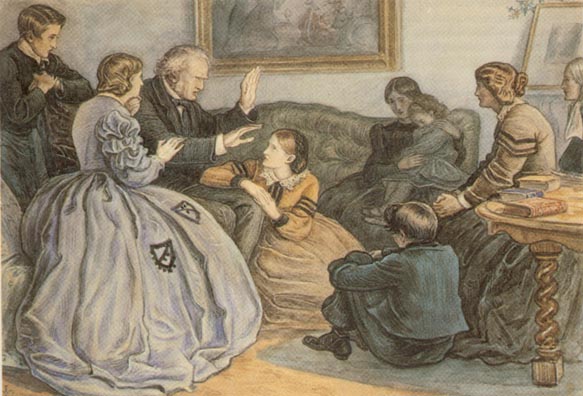
The Christmas season is a time steeped in tradition, filled with heartwarming stories that capture the essence of the holiday spirit. These narratives often feature a central figure who guides the audience through the tale, shaping their understanding of the events and characters. This figure, known as the narrator, plays a crucial role in the success of any Christmas story.
Exploring the Narrator’s Role
The narrator acts as a bridge between the story and the reader or listener. Their voice, perspective, and tone significantly influence the overall impact of the narrative. Understanding the narrator’s role requires considering several key aspects:
- Perspective: The narrator can be a participant in the story, an observer, or even an omniscient entity with access to all characters’ thoughts and feelings. This perspective shapes the reader’s understanding of events and characters. For instance, a first-person narrator offers a personal and intimate view, while an omniscient narrator provides a broader, more detached perspective.
- Voice and Tone: The narrator’s voice and tone contribute to the story’s atmosphere and emotional impact. A playful and lighthearted tone might create a humorous and whimsical experience, while a somber and reflective voice can evoke a sense of melancholy or introspection.
- Reliability: The narrator’s credibility and trustworthiness are crucial in shaping the reader’s interpretation of the story. A reliable narrator presents facts and events objectively, while an unreliable narrator may offer a biased or incomplete view, leaving the reader to question the truth of the narrative.
The Importance of the Narrator in Christmas Stories
The narrator’s role in Christmas stories is particularly significant due to the genre’s inherent themes of hope, generosity, and redemption. A well-crafted narrator can:
- Enhance Emotional Connection: By crafting a voice that resonates with the audience, the narrator can evoke a sense of empathy and connection with the characters and their experiences. This emotional connection is crucial for the reader to fully engage with the story and its themes.
- Shape the Moral Landscape: The narrator’s perspective and commentary can subtly influence the reader’s moral compass. Through their narration, they can highlight the importance of compassion, selflessness, and forgiveness, key values often celebrated during the Christmas season.
- Guide the Reader’s Interpretation: The narrator can subtly direct the reader’s understanding of the story’s events and characters. Through subtle hints, foreshadowing, or commentary, they can shape the reader’s interpretation and encourage deeper reflection on the story’s themes.
Famous Examples of Narrators in Christmas Stories
Throughout literary history, countless Christmas stories have featured memorable narrators. Some prominent examples include:
- "A Christmas Carol" by Charles Dickens: The story is narrated by an omniscient voice, providing a comprehensive and insightful view into the characters’ lives and motivations. This omniscient perspective allows Dickens to explore the themes of redemption and social responsibility through Scrooge’s transformation.
- "The Gift of the Magi" by O. Henry: This short story is narrated by an unnamed third-person observer, offering a detached but insightful perspective on the couple’s selfless actions. The narrator’s voice is both playful and poignant, capturing the bittersweet irony of the story.
- "The Polar Express" by Chris Van Allsburg: The story is narrated by a young boy who embarks on a magical journey to the North Pole. The first-person perspective allows the reader to experience the journey through the boy’s eyes, sharing his wonder and excitement.
FAQs: Exploring the Narrator’s Role
Q: Can a Christmas story have multiple narrators?
A: Yes, some Christmas stories utilize multiple narrators to provide a more comprehensive or multifaceted view of the events. This technique allows for different perspectives and voices, enriching the storytelling experience.
Q: How can I determine if a narrator is reliable?
A: Consider the narrator’s motives, biases, and any contradictions in their account. If the narrator has a vested interest in the events or exhibits a clear bias, their reliability may be questionable.
Q: What are the benefits of using an omniscient narrator?
A: An omniscient narrator allows for a broader perspective, providing access to characters’ thoughts and feelings. This can create a more intimate and insightful experience for the reader.
Q: What are the limitations of using a first-person narrator?
A: A first-person narrator’s perspective is limited to their own experiences and understanding. This can restrict the reader’s knowledge of the story and may create a sense of bias or subjectivity.
Tips for Identifying and Analyzing the Narrator
- Pay attention to the voice and tone: Consider the narrator’s vocabulary, sentence structure, and overall style. These elements can reveal their personality, perspective, and intended impact.
- Analyze the narrator’s perspective: Is the narrator a participant, an observer, or an omniscient entity? How does their perspective shape the reader’s understanding of the story?
- Evaluate the narrator’s reliability: Consider the narrator’s motives, biases, and any inconsistencies in their account.
- Explore the narrator’s role in shaping the story’s themes: How does the narrator’s voice and perspective influence the reader’s understanding of the story’s central messages?
Conclusion: The Power of the Narrator’s Voice
The narrator is a crucial element in any Christmas story, shaping the reader’s experience and influencing their interpretation of the narrative. By understanding the narrator’s role, perspective, and voice, readers can gain a deeper appreciation for the story’s nuances and the power of storytelling to evoke emotions, inspire reflection, and celebrate the true spirit of the holiday season.





Closure
Thus, we hope this article has provided valuable insights into The Art of Storytelling: Examining the Narrator in Christmas Stories. We thank you for taking the time to read this article. See you in our next article!